

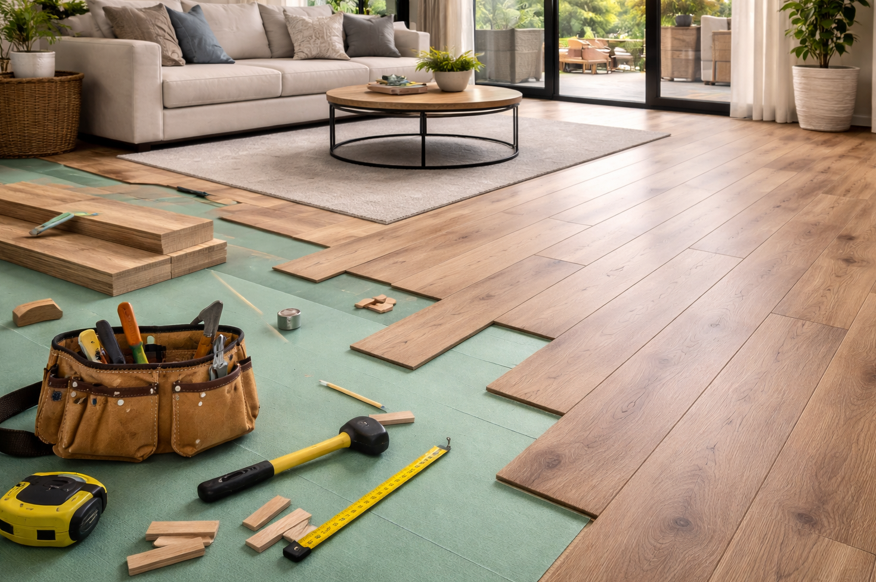
Why Laminate Flooring Is a Popular Choice in Tempe Homes
Laminate flooring has become one of the most widely chosen flooring solutions for homeowners in Tempe, AZ. Its ability to combine durability, visual appeal, and practicality makes it especially attractive for busy households. Whether you’re updating a single room or planning a full home renovation, laminate flooring offers a stylish and reliable option that fits a variety of home styles.
Local homeowners often explore flooring options through trusted providers such as Manufacturers Floor Covering Outlet, where a wide selection of modern flooring products helps homeowners create spaces that feel both functional and inviting.
Durability for Active Households
One of the biggest reasons laminate flooring is popular in Tempe homes is its durability. Homes in the East Valley often experience high foot traffic from family members, guests, and pets.
Laminate flooring is designed to resist everyday wear and maintain its appearance even in busy environments.
Benefits include:
Resistance to scratches and scuffs
Strong surface layers designed for daily use
Long-lasting performance in active households
These qualities make laminate flooring a dependable option for living rooms, hallways, and shared family spaces.
Modern Design Variety
Today’s laminate flooring options offer impressive design versatility. Many styles are designed to mimic the natural appearance of hardwood or stone while maintaining the durability laminate is known for.
Homeowners can choose from a variety of colors, textures, and plank sizes to match their interior design goals.
A Smart Upgrade for Everyday Living
For many homeowners in Tempe, laminate flooring represents a practical way to upgrade a home’s interior while maintaining a beautiful appearance. Its durability and modern visuals allow homeowners to achieve stylish results without sacrificing everyday functionality.
Understanding the Laminate Flooring Installation Process
Installing laminate flooring involves more than simply connecting planks together. Proper preparation and attention to detail help ensure the floor performs well for years.
Understanding how the installation process works can help homeowners recognize why certain steps are essential.
Floating Floor Systems
Most laminate flooring uses what’s called a floating floor installation method. Instead of being glued or nailed directly to the subfloor, laminate planks connect to one another using a locking system.
This approach allows the floor to “float” slightly above the subfloor, which helps accommodate natural expansion and contraction.
Subfloor Preparation
Before installation begins, the surface beneath the flooring must be carefully prepared.
The subfloor should be:
Clean and free of debris
Level across the entire area
Structurally sound
Any irregularities beneath the flooring can affect the stability and performance of the laminate planks.
Expansion Space Requirements
Laminate flooring naturally expands and contracts as temperatures change. Because of this, installers leave small expansion gaps around the perimeter of the room.
These gaps allow the flooring to move slightly without causing damage or buckling.
When these steps are handled correctly, the installation process results in a smooth, durable surface that performs well over time.
Mistake #1: Skipping Proper Subfloor Preparation
One of the most common installation mistakes occurs before the flooring is even placed. Subfloor preparation plays a major role in how laminate flooring performs.
Why Uneven Subfloors Cause Problems
If the subfloor is uneven, laminate planks may not connect properly. Over time this can cause issues such as:
Planks separating
Uneven surfaces
Clicking or creaking sounds when walking
These issues can reduce both the visual appeal and performance of the flooring.
Dust and Debris Concerns
Dust, dirt, and debris trapped beneath laminate flooring may interfere with plank alignment. Even small particles can prevent planks from locking together correctly.
This is why installers thoroughly clean the subfloor before beginning installation.
Best Practices for Subfloor Preparation
Proper preparation helps create a stable foundation for laminate flooring.
Recommended preparation steps include:
Cleaning the subfloor thoroughly
Checking the surface for levelness
Repairing cracks or damaged areas
Ensuring the surface is completely dry
These steps help ensure laminate flooring installs correctly and performs well long-term.
Mistake #2: Ignoring Expansion Gaps
Expansion gaps may seem like a minor detail during installation, but they play a critical role in the long-term stability of laminate flooring.
Why Flooring Needs Room to Move
Temperature and humidity changes can cause laminate flooring materials to expand slightly. Without enough space for this movement, the flooring may push against walls or fixtures.
This pressure can lead to visible flooring issues over time.
Problems Caused by Tight Installations
When expansion gaps are not included, several problems may occur:
Buckling or lifting of planks
Warping along the edges of rooms
Increased stress on locking mechanisms
These issues may require costly repairs or adjustments later.
Professional Installation Benefits
Experienced installers understand the importance of leaving the correct expansion space around walls, doorways, and fixed objects. These small details help ensure the floor performs properly as temperatures change.
Mistake #3: Choosing the Wrong Underlayment
Underlayment is often overlooked during flooring installations, but it plays an important role in the performance of laminate flooring.
Many homeowners explore options for laminate flooring without realizing how important the underlayment layer is to the overall installation.
What Underlayment Does
Underlayment is a thin layer placed between the laminate flooring and the subfloor. It helps improve comfort, reduce sound, and support the locking system of the planks.
Moisture Protection
In certain environments, underlayment can also help provide moisture protection. This additional layer helps protect flooring from minor moisture exposure beneath the floor.
Matching Underlayment to the Flooring Type
Different laminate flooring products may require specific underlayment types.
Using the correct underlayment ensures:
Better floor stability
Improved sound absorption
Enhanced overall performance
Choosing the right materials during installation helps prevent potential flooring issues later.
Mistake #4: Poor Planning of Plank Layout
The layout of laminate flooring affects both the appearance and functionality of the finished floor.
Planning the layout before installation begins helps create a visually balanced result.
Creating a Balanced Room Layout
Installers often begin by planning how planks will run across the room. Proper planning ensures the flooring flows naturally from one side of the space to the other.
This helps create a clean, professional appearance.
Avoiding Narrow Edge Pieces
If plank placement is not planned correctly, installers may end up with narrow strips of flooring along the edges of a room.
These pieces can appear uneven and may not lock as securely as full planks.
Design Considerations for Plank Placement
Several factors influence the best plank layout.
Examples include:
Alignment with natural light from windows
Direction of traffic flow through the room
Transition points between rooms
Careful planning helps ensure laminate flooring looks balanced and polished once installation is complete.
Mistake #5: Rushing the Installation Process
Installing laminate flooring requires patience and precision. Rushing through the process can lead to noticeable problems that affect both appearance and durability.
Improper Plank Locking
Laminate planks use locking systems that connect each piece securely. If planks are not properly aligned and locked together, gaps may appear over time.
These gaps can affect both the stability and look of the flooring.
Cutting Errors
Certain areas of the room require precise cuts, such as:
Around door frames
Near vents
Along walls
Accurate measurements and careful cutting help ensure the flooring fits neatly into these spaces.
Attention to Detail Matters
Small installation details can have a significant impact on the final result. Experienced installers take the time to align planks carefully and maintain consistent spacing throughout the room.
This attention to detail contributes to a polished and long-lasting installation.
Mistake #6: Attempting Complex Installations Without
Experience
While laminate flooring installation may seem straightforward at first glance, certain situations require professional expertise.
Challenging Room Layouts
Some rooms include design features that complicate flooring installation.
Examples include:
Angled walls
Staircases
Built-in cabinetry
Multiple room transitions
Handling these details properly helps ensure a smooth and professional-looking finish.
Specialized Tools and Techniques
Professional installers often use specialized tools to complete installations accurately. These tools allow precise cuts, tight plank connections, and clean transitions between rooms.
Long-Term Flooring Performance
A properly installed laminate floor performs better over time. Professional installation helps ensure the flooring remains stable, visually appealing, and durable.
Why Professional Installation Makes a Difference
Choosing the right laminate flooring is only part of the process. Proper installation ensures that flooring performs well for years to come.
Accurate Planning and Measurements
Professional installers evaluate room dimensions and flooring layout before installation begins. This planning helps avoid common mistakes that may affect the appearance of the finished floor.
Proper Installation Techniques
Experienced installers understand how laminate flooring should be handled during installation.
They ensure:
Correct expansion gaps
Secure plank connections
Clean transitions between rooms
These details contribute to a professional-looking result.
Local Expertise You Can Trust
Homeowners throughout Tempe, Mesa, Chandler, Gilbert, and Scottsdale benefit from working with flooring professionals who understand local homes and installation challenges.
If you're planning a flooring upgrade and want expert guidance, get in touch with the team at Manufacturers Floor Covering Outlet. Their experienced professionals help homeowners choose flooring solutions that combine durability, style, and long-term performance.


