

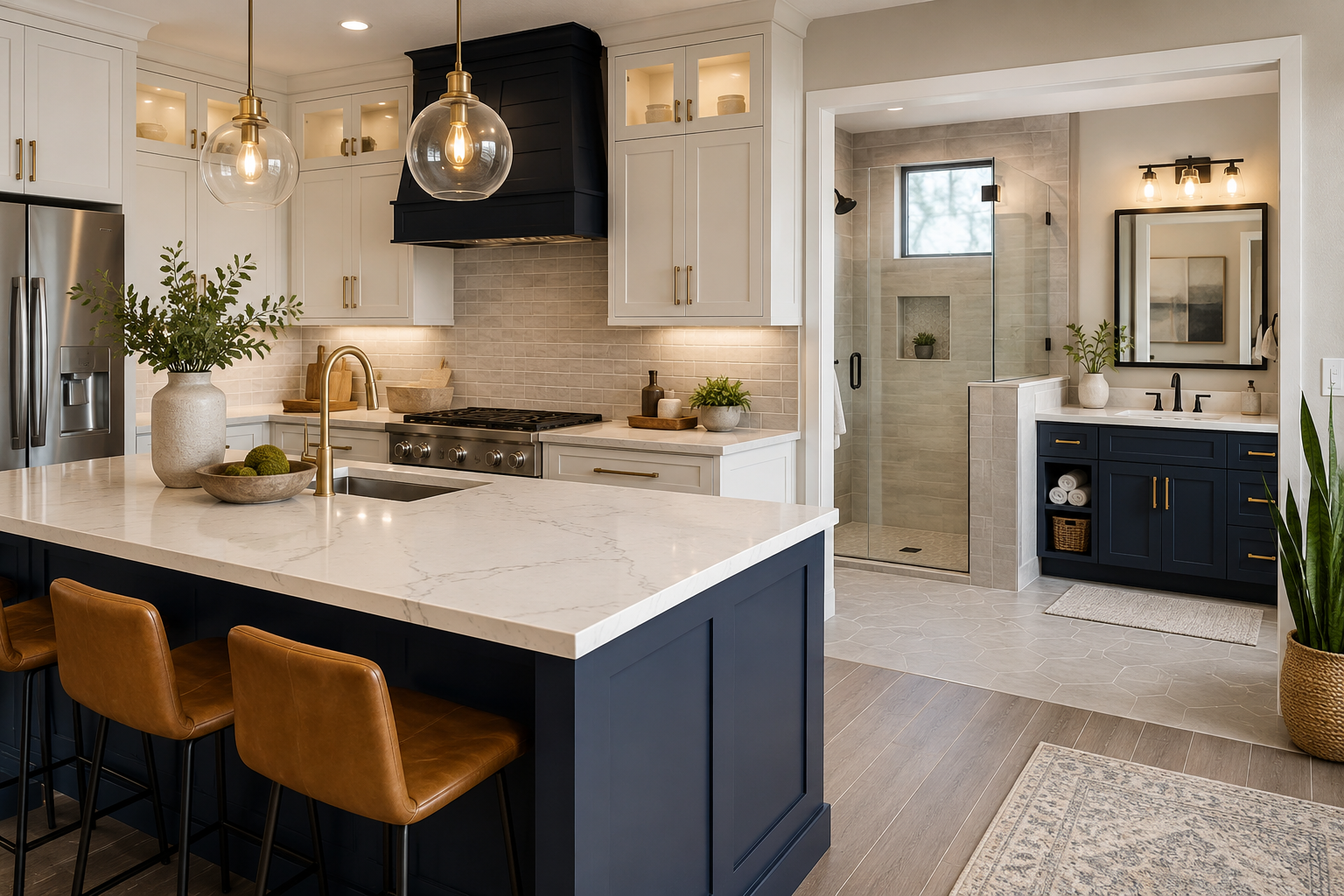
A kitchen or bathroom remodel can make your home more enjoyable today while potentially strengthening its appeal when it is time to sell. But spending more does not automatically produce a better return. The projects that deliver the most value usually balance appearance, function, durability, and the expectations buyers have for homes in the surrounding market.
That is especially important for Gilbert homeowners. Whether you are updating a home you plan to enjoy for another decade or preparing for a possible sale in the next few years, remodeling decisions benefit from a clear purpose. Replacing worn finishes, improving storage, updating flooring, and creating a more functional layout can be valuable. Overspending on highly personalized upgrades may be harder to recover.
Homeowners planning improvements can work with Manufacturers Floor Covering Outlet for personalized guidance on flooring, countertops, showers, and other materials that can help bring a kitchen or bathroom project together.
The goal is not to chase a perfect ROI percentage. It is to invest in improvements that make sense for your home, your budget, and the way you use the space.
What Does Remodeling ROI Really Mean?
Return on investment, or ROI, is often discussed as the percentage of remodeling costs a homeowner may recover through increased resale value.
For example, if a project costs $25,000 and is estimated to add $20,000 in resale value, the cost recouped would be 80%. That does not mean the homeowner receives an immediate cash payment. It describes how project cost and estimated resale value compare.
There is also another type of return that matters: everyday enjoyment.
A kitchen that finally has enough prep space or a bathroom that functions better for the household can provide value every day, even if every remodeling dollar is not recovered at resale.
Smaller Projects Can Produce Strong Returns
The latest Phoenix-specific data in the 2025 Cost vs. Value Report illustrates why scope matters. A midrange minor kitchen remodel in Phoenix was estimated at an average job cost of $28,333, an estimated resale value of $30,899, and 109.1% of the cost recouped. By comparison, a midrange major kitchen remodel was estimated at $81,274 with $38,089 in resale value, or 46.9% recouped.
That does not mean every Gilbert homeowner will achieve those exact figures. The report models representative projects, and individual results vary with home value, neighborhood, project scope, materials, workmanship, and market conditions.
The lesson is more useful than the number: a focused refresh can sometimes generate a stronger percentage return than a complete high-cost transformation.
1. Start With the Problems That Affect Daily Use
Before choosing tile, countertops, cabinets, or paint colors, identify what is actually limiting the room.
A kitchen might have:
Poor storage
Worn countertops
Damaged flooring
Limited prep space
Awkward lighting
Dated cabinet hardware
An inefficient sink or appliance layout
A bathroom might have:
Worn or damaged surfaces
Limited storage
An outdated shower
Poor lighting
Hard-to-maintain finishes
A vanity that does not provide enough usable space
Improving these issues can make the remodel feel substantial without automatically requiring the room to be stripped down to the studs.
Function Often Ages Better Than a Trend
A highly fashionable finish may eventually date the room, but useful storage, durable flooring, comfortable lighting, and an effective layout continue providing value.
Ask yourself what would make the room easier to use every morning, evening, or mealtime. Those answers can help guide the budget toward improvements you are likely to appreciate long after the initial excitement of the remodel has passed.
2. Avoid Changing the Layout Unless It Adds Real Value
Moving walls, plumbing, electrical lines, sinks, showers, or major appliances can expand the scope of a remodeling project quickly.
Sometimes those changes are worthwhile. A poorly planned kitchen may become dramatically more functional when the layout is corrected. A bathroom may need a different shower configuration to suit the household.
But if the existing layout already works reasonably well, keeping major fixtures in their current locations can allow more of the budget to go toward visible and functional upgrades.
Work With the Existing Footprint
A kitchen refresh might keep the cabinets in approximately the same locations while updating:
Countertops
Flooring
Backsplash
Sink and faucet
Cabinet doors or hardware
Lighting
Paint
In a bathroom, you might retain the current plumbing locations while improving:
The shower surround
Vanity
Countertop
Flooring
Mirrors
Lighting
Fixtures
This approach can create a noticeably different room without introducing every cost associated with a major reconfiguration.
Know When a Layout Change Is Worth It
Keeping the layout is not a rule.
If people constantly bump into one another in the kitchen, the refrigerator blocks a walkway, or the bathroom arrangement does not meet the household's needs, correcting the problem may deliver more long-term value than preserving an inefficient layout to save money.
ROI is about spending intentionally, not automatically choosing the smallest project.
3. Put More of the Budget Into High-Visibility Surfaces
Some remodeling choices influence how a room feels almost immediately. Flooring, countertops, cabinets, shower surfaces, and backsplashes occupy large visual areas, so changes to these elements can have a strong impact.
Flooring Creates the Foundation
Worn, damaged, or visually dated flooring can affect the impression of the entire room.
For Gilbert homes, think about durability, cleaning requirements, moisture exposure, foot traffic, and how the flooring connects with nearby spaces. A kitchen that opens into a living area may benefit from a material or design that provides visual continuity.
Bathrooms require particular attention to products appropriate for wet environments.
Countertops Have Both Visual and Practical Value
Kitchen and bathroom countertops are used constantly. A well-chosen surface can refresh the room while improving everyday function.
Rather than selecting a countertop based only on the most dramatic pattern, consider:
Durability
Maintenance
Color longevity
Compatibility with cabinetry
How much natural and artificial light the room receives
How the material fits the overall budget
A balanced material selection can make a room feel updated without requiring the most premium option available.
Shower Surfaces Can Become a Feature
In bathrooms, the shower often takes up a significant part of the visual field.
Updating dated walls, damaged surfaces, or an inefficient enclosure can make the whole bathroom feel fresher. Tile size, grout appearance, storage niches, and the transition between the shower and bathroom flooring all contribute to the final result.
4. Choose a Remodeling Scope That Fits the Home
One of the easiest ways to weaken remodeling ROI is to improve a room far beyond the standard of the rest of the property or neighborhood.
A luxury-level kitchen with highly specialized finishes may look impressive, but a homeowner may not recover the same percentage of that investment if comparable homes nearby have more moderate finishes.
This principle is reflected in the Phoenix Cost vs. Value data. The 2025 report estimated a 109.1% cost recoup for a midrange minor kitchen remodel in Phoenix, compared with 46.9% for a midrange major remodel.
Match Quality Without Overbuilding
The goal is not to make the room basic. It is to choose a quality level that feels appropriate for the home.
For example, homeowners can prioritize:
Durable surfaces
Coordinated finishes
Professional-looking installation
Functional storage
Updated fixtures
Comfortable lighting
Timeless colors
These improvements often matter more to everyday usability than a collection of expensive specialty features.
Consider How Long You Plan to Stay
Your timeline matters too.
If you expect to sell relatively soon, broad buyer appeal may carry more weight. If you are remodeling a long-term home, personal preferences can reasonably play a larger role because you will enjoy them for years.
The best ROI decision can therefore look different for two homeowners on the same street.
5. Focus Bathroom Spending on Function and Condition
Bathrooms are smaller than kitchens, but they contain several systems and materials in a compact space. Water exposure, ventilation, plumbing fixtures, storage, flooring, countertops, and shower surfaces all need to work together.
The 2025 Cost vs. Value Report estimated a midrange bathroom remodel in Phoenix at $23,627, with an estimated resale value of $18,669 and 79% of the project cost recouped.
Again, those figures are benchmarks rather than guarantees for an individual Gilbert home.
Address Worn Elements First
Visible deterioration can make a bathroom feel older than it is.
Depending on the room, priorities might include:
Damaged flooring
Worn shower surfaces
Aging vanity tops
Poor lighting
Broken or dated fixtures
Insufficient storage
Deteriorated grout or finishes
Correcting these issues can improve both appearance and everyday usability.
Do Not Spend Everywhere Equally
Not every feature needs to become the focal point.
If you invest in a beautiful shower, the vanity may work best with a simpler design. If a statement countertop is important, quieter flooring and wall finishes can allow it to stand out.
A clear design hierarchy helps the room look intentional and can keep the budget from expanding across every selection.
6. Coordinate the Kitchen and Bathroom Instead of Choosing Products Separately
One of the most common ways remodeling budgets grow is through disconnected product decisions.
A countertop looks great on its own, then requires a different backsplash. The backsplash leads to a new cabinet color. The cabinet color changes the flooring direction. Before long, several selections have been upgraded simply because the first decisions were not made as part of a complete plan.
Planning kitchen and bath remodeling around a coordinated palette can help homeowners choose materials that complement one another from the beginning.
Start With the Largest Surfaces
Consider selecting major visual materials first:
Flooring
Cabinets or vanity
Countertops
Shower or backsplash surfaces
Wall color
Hardware and fixtures
This order is not mandatory, but it can prevent smaller decorative choices from dictating more expensive material decisions.
Bring Samples Together
Never assume two neutrals will coordinate because both are described as beige, gray, cream, or white.
Undertones matter.
Compare flooring, countertop, tile, cabinet, and paint samples together under the lighting conditions in the home whenever possible.
A coordinated midrange material package can look more polished than several premium materials that compete for attention.
7. Pick Timeless Elements for the Expensive Decisions
A remodel does not need to look bland to have broad appeal.
The key is to separate permanent or costly selections from details that are easier to change.
Keep Major Surfaces Flexible
For elements that would require significant work to replace, such as flooring, countertops, or a large shower installation, consider colors and patterns you can imagine living with for years.
That might include:
Warm neutrals
Natural wood-inspired tones
Subtle stone looks
Quiet patterns
Classic tile layouts
You can still bring personality into the room through easier-to-change features.
Use Accessories for Trend-Driven Color
Bold colors and trends can appear in:
Towels
Rugs
Artwork
Decorative objects
Bar stools
Cabinet hardware
Small lighting details
Paint
This gives the room character now without tying every major surface to a specific design moment.
8. Do Not Ignore Storage
Storage may not be the most glamorous part of a remodel, but it strongly affects how a kitchen or bathroom functions.
A beautiful countertop loses some of its appeal when it is permanently covered with appliances, toiletries, or household essentials because there is nowhere else to put them.
Kitchen Storage That Supports Everyday Life
Look for opportunities such as:
Deep drawers for cookware
Organized pantry space
Pull-out storage
Waste and recycling solutions
Drawer organizers
Accessible storage near prep areas
The best storage depends on what the household actually owns and uses.
Bathroom Storage Matters Too
Vanity drawers, medicine storage, shower niches, and linen storage can help keep surfaces clear.
When planning the room, think beyond square footage. A smaller vanity with well-organized drawers can sometimes be more useful than a larger cabinet with one open cavity underneath.
Function can make a newly remodeled room continue feeling organized months after the project is complete.
9. Choose Durable Materials for High-Use Areas
A strong ROI strategy considers how the remodel will age.
A finish that looks beautiful on installation day but wears quickly in a busy household may not provide the lasting value you expected.
For kitchens, evaluate how products handle:
Foot traffic
Spills
Food preparation
Cleaning
Furniture movement
Pets
Everyday household activity
For bathrooms, think about:
Moisture
Water exposure
Cleaning
Slip considerations
Frequent temperature changes
Daily wear
Product suitability varies, so rely on manufacturer information and professional guidance when selecting materials for specific applications.
Maintenance Is Part of the Investment
Ask what regular care will be required before purchasing.
A homeowner who prefers simple maintenance may be happier with a different material than someone who does not mind a more involved care routine.
Choosing a surface that matches your lifestyle can help it continue looking attractive with realistic everyday maintenance.
10. Professional Installation Can Protect the Value of the Remodel
Quality materials matter, but installation affects how those materials look and perform.
Flooring, tile, countertops, and shower systems all require appropriate preparation and installation methods. Poor alignment, uneven transitions, unsuitable substrate preparation, or inaccurate cuts can make even premium products look disappointing.
Good Installation Supports the Finished Design
Professional installation helps create:
Cleaner transitions
Consistent layouts
Appropriate substrate preparation
Accurate material placement
A more polished finished appearance
It can also help homeowners follow manufacturer installation requirements where those requirements apply.
Rather than viewing installation as an afterthought, include it in the project budget from the beginning.
11. Set a Budget With Priorities and a Contingency
Remodeling budgets work better when they include both a spending plan and a little flexibility.
Start by separating the project into three groups.
Essential
These are issues the remodel needs to address, such as damaged flooring, a deteriorated shower, inadequate lighting, or a failing countertop.
High Priority
These improvements are not necessarily repairs, but they meaningfully improve the room. Examples include better storage, updated finishes, or easier-to-maintain surfaces.
Nice to Have
These are upgrades you would enjoy if the budget allows, such as specialty tile, premium hardware, decorative lighting, or an upgraded edge detail.
This hierarchy makes it easier to adjust when estimates come in.
Leave Room for the Unexpected
Renovation work can reveal conditions that were not visible during early planning.
Cabinets may need adjustment, plumbing conditions may become apparent after demolition, or a material choice may require additional preparation.
A contingency gives you room to respond without sacrificing the most important parts of the remodel.
12. Think Beyond Resale Value
ROI conversations often focus entirely on selling, but most homeowners live with their remodel before another buyer ever sees it.
That matters.
A better kitchen may make entertaining easier. Improved flooring can create a more cohesive main living area. Better bathroom storage can make mornings smoother. An updated shower can improve everyday comfort.
The National Association of Realtors' Remodeling Impact research evaluates not only potential cost recovery but also homeowner satisfaction after remodeling, recognizing that renovation value extends beyond resale alone.
The Best Project Balances Both Types of Return
A strong remodeling plan can aim for:
Better daily function
Updated appearance
Durable materials
Easier maintenance
Appropriate spending
Broad future appeal
That combination often makes more sense than designing solely around a theoretical future buyer.
Build a Remodel That Adds Value to the Way You Live
Maximizing kitchen and bathroom remodeling ROI is not about choosing the least expensive materials or spending as much as possible. It is about directing the budget toward improvements that solve real problems and make the home feel more functional, durable, coordinated, and inviting.
For Gilbert homeowners, that may mean refreshing a kitchen without changing the entire layout, upgrading worn bathroom surfaces, adding practical storage, choosing flooring designed for the room, or creating a coordinated material palette that will still feel attractive several years from now.
The Phoenix-area Cost vs. Value data also provides an important reminder: bigger projects do not automatically deliver a higher percentage return. In the 2025 report, a minor midrange kitchen remodel showed substantially higher estimated cost recoup than a major midrange kitchen remodel, while midrange bathroom remodeling also retained a meaningful share of its cost.
Manufacturers Floor Covering Outlet serves Gilbert, Tempe, Scottsdale, Chandler, and Mesa with flooring products, countertops, kitchen and bathroom solutions, and professional installation services. If you are planning an update and want help comparing materials that fit your home, lifestyle, and remodeling goals, get in touch with the MFCO team.


