

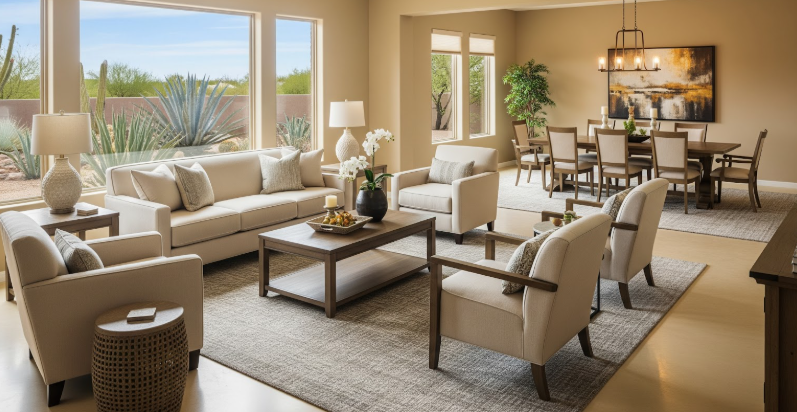
Why Rug Size Matters in Chandler, AZ Homes
Choosing the right rug size can completely change the feel of your living or dining room. In many Chandler homes—especially those with open layouts, tile floors, and spacious gathering areas—an area rug is more than décor. It's what grounds your furniture, defines your space, and adds warmth to the modern desert style that’s so common across the city. Many homeowners start their search by visiting Manufacturers Floor Covering Outlet to compare rug textures, colors, and design options in person, because getting the right size is just as important as getting the right pattern.
A rug that’s too small makes the room feel unbalanced, while a rug that's oversized hides the beauty of your flooring. When the proportions are right, everything feels intentional. Whether you're refreshing your living room, upgrading your dining room, or adding softness to tile flooring, this guide walks you through sizing step-by-step so you can choose with confidence.
How Rug Sizing Shapes the Look and Feel of a Room
A well-sized rug creates structure and harmony. Instead of floating furniture or mismatched pieces, the room feels anchored.
Why Scale and Proportion Matter
The biggest mistake homeowners make—especially in wide, open Chandler layouts—is choosing a rug that’s too small. It shrinks the room visually, makes your furniture feel disconnected, and throws off balance. The right rug complements the footprint of your seating or dining area, helping the space feel connected and finished.
How Arizona Flooring Impacts Rug Choice
Homes in Chandler often feature tile, stone, or luxury vinyl plank, which offer durability but can feel cool underfoot. A thoughtfully sized rug adds comfort, warmth, and sound absorption. With abundant desert sunlight streaming through windows, rugs also help reduce echo, define zones, and soften the room’s visual edges.
Between tiles, open sightlines, and modern color palettes, the correct rug size becomes an essential design tool.
Living Room Rug Sizing: Your Complete Guide
Getting the right size in the living room depends on your furniture layout. Here are the three methods designers use most.
The “Front Legs On” Rule
This is the most widely recommended approach for medium-sized living rooms. Place the sofa and chair’s front legs on the rug while keeping the back legs off. It ties the seating arrangement together without requiring an oversized rug.
The “All Legs On” Layout
For large or square living rooms, this setup looks refined and grounded. All major furniture pieces—sofas, chairs, and tables—sit fully on the rug. It works beautifully in wide Chandler homes where the living area flows into a kitchen or hallway.
When a Floating Rug Works
In smaller spaces or rooms with minimal furniture, a “floating” rug (fully under the coffee table but not under seating) can work. It’s best for compact living rooms or accent seating areas. The key is choosing a rug large enough to feel intentional—never too small.
Ideal Living Room Rug Sizes
These sizes fit most living room layouts:
8'×10': Great for medium-sized rooms and standard furniture groupings
9'×12': Works for larger sectionals or open-concept rooms
10'×14': Ideal for spacious living rooms or wide Arizona-style layouts
As homeowners explore these options, many find it helpful to look at curated area rugs that pair well with their furniture layout and preferred aesthetic.
Dining Room Rug Sizing Made Easy
Dining room rugs carry their own sizing rules—mainly because of chair movement. When chairs slide off the rug, they wobble and catch on edges, which becomes frustrating during meals.
The “Chair Pull-Out” Rule
No matter your table size, the rug should extend 20–24 inches beyond the table on all sides. This ensures that even when guests pull chairs back, the legs stay on the rug. It creates a smooth, sturdy dining experience.
Matching Rug Shape to Your Table
Shape makes a huge difference in visual flow:
Round rug + round table = balanced, symmetrical look
Rectangular rug + rectangular table = traditional dining room styling
Square table + square rug = harmonious proportions
Form should follow function, but in Chandler’s open dining rooms, rectangular rugs often work best because they visually extend the space.
Recommended Dining Room Rug Sizes
Here are simple guidelines:
For a table with six chairs: 8'×10'
For eight chairs: 9'×12'
For round tables: choose a round rug at least 8 feet in diameter
For extendable tables: size to the largest configuration so all chairs stay stable
Rugs for Hard Flooring
Tile and stone floors are popular in the area, and a good rug adds softness and reduces noise. It also helps define the dining zone in an open-concept layout—a common home style in Chandler.
How to Measure Your Space Accurately
A rug that looks perfect online can feel wrong at home unless you measure correctly.
Mark the Furniture Footprint
Use painter’s tape to outline where you want the rug edges to fall. This gives you an instant visual of how the rug will shape the room.
Consider Walkways and Doorways
Make sure doors can open freely and walkways around the furniture remain clear. A good rule of thumb is leaving 12–18 inches of visible flooring around the rug’s perimeter.
Common Missteps to Avoid
Measuring only the coffee table instead of the full seating area
Forgetting how far dining chairs slide back
Ignoring awkward room angles or pillars
Choosing a rug that’s too small because it “seems easier”
Accurate measurements prevent regrets and ensure your rug enhances—not crowds—your space.
Choosing the Best Rug Material for Chandler Lifestyles
Life in Chandler often involves pets, kids, and plenty of desert dust, so material choice matters as much as size.
Pet-Friendly Materials
Look for low-pile options like:
Flatweave rugs
Synthetic blends
Patterned rugs that hide minor debris
These handle shedding, claw snags, and quick cleanups well.
Kid-Friendly Options
For families, durability comes first. Rugs that are stain-resistant, tightly woven, and easy to vacuum are practical choices.
Rugs That Work Well on Tile or Stone
Tile floors can be slippery under lighter rugs. Choose rugs with textured backings or add quality rug pads so everything stays secure.
Color and Pattern Tips for Arizona Homes
Arizona sunlight is beautiful but intense. Certain rug materials and colors hold up better under these conditions.
Choose Shades That Complement Desert Light
Warm neutrals, terracotta tones, and soft browns create a cozy desert-modern aesthetic. Cool grays and deep blues add contrast that stands out beautifully on tile floors.
Consider Fade Resistance
Rooms with large windows benefit from fade-resistant fibers and mid-tone hues that won’t show sun exposure as quickly.
Using Multiple Rugs in Open-Concept Homes
Many Chandler homes feature wide, continuous spaces. Rugs can help break these areas into comfortable zones.
Define Your Living and Dining Areas
Place one rug under the dining table and another in the living room. This visually separates the spaces without adding walls or clutter.
Keep Rug Sizes Balanced
If one rug is oversized, the other shouldn’t be tiny in comparison. Aim for proportional styling so the room feels intentionally designed.
Layering Rugs for Extra Style and Comfort
Layering works especially well on tile floors.
Why Layering Works in Arizona
It adds warmth and dimension while softening the harder look of tile or stone. Layering also lets you mix textures—like a natural jute base with a smaller patterned rug on top.
How to Layer Without Overwhelming the Room
Keep the bottom rug neutral and let the top rug provide the color, pattern, or personality.
Why Professional Guidance Helps
Rug sizing can be tricky, especially in homes with unusual layouts or open floor designs. Professionals can help you visualize the right size and style, recommend materials for your lifestyle, and even provide in-home measurements.
If you're refreshing your living or dining room and want help choosing the right fit, don’t hesitate to reach out to us for friendly, expert guidance.


